Forget Everything You Know About Web Design. AI Just Rewrote the Rules for 2026.
The epoch of the single-piece, one-size-fits-all web property is officially over. As we move through 2025 and 2026, the dominant "AI vibe" in web building is a model of deep tailoring. The impetus of the AI website maker is Artificial Intelligence, performing as a principal designer for every sole operator who browses a site. This is not simply about adding a person's identifier into a salutation; it's about radically restructuring the material, functionality, and structure of a web presence in instantaneously to fashion a personalized encounter for an clientele of an individual. This evolution is universalizing high-end site production and redefining what it denotes for a site to be really "user-centric."

Building for the Individual: The Generative Backend
The enchantment of granular adaptation for the AI website building commences way in the system's blueprint. Developers in 2025 are no longer making rigid pathways but are instead forging dynamic systems where AI serves as a central dispatcher, assembling customer encounters on the fly. This involves a transition away from fixed programming and toward a more dynamic, generative model of creation.
Rule-based Journey Mapping and Logic
The most radical alteration for the AI web design is in how a user moves through a online presence. In lieu of using a fixed site structure, each visitor's path is computationally designed established on their information signature and real-time actions.
- Predictive Pathfinding: AI analyzes a visitor's landing page, previous orders, and browsing habits to anticipate their purpose and dynamically reorders navbars and prompts to offer the most frictionless path to action taking.
- Dynamic Capability Activation: An AI can deduce a person's tech-savviness and activate/deactivate options accordingly. For a skilled operator, it might display advanced search filters, while for a first-timer, it might exhibit a simplified, walkthrough shopping flow.
- Dynamic Information Blocks: The actual content of a display is no longer static. An AI can compose product descriptions, articles, and even waivers from a collection of building blocks, adapting the attitude, size, and diction to resonate with that unique customer.
The Dynamic Frontend: Design That Changes and Pre-empts
The display is where this custom server-side comes to existence. The "AI vibe" in visuals is about producing a conscious interface—an UI that doesn't just reply to selections but proactively adjusts to the person's circumstances, demands, and even implicit goal. This indicates the progression from responsive design to fully proactive aesthetics.
Context-Sensitive and Malleable Interfaces
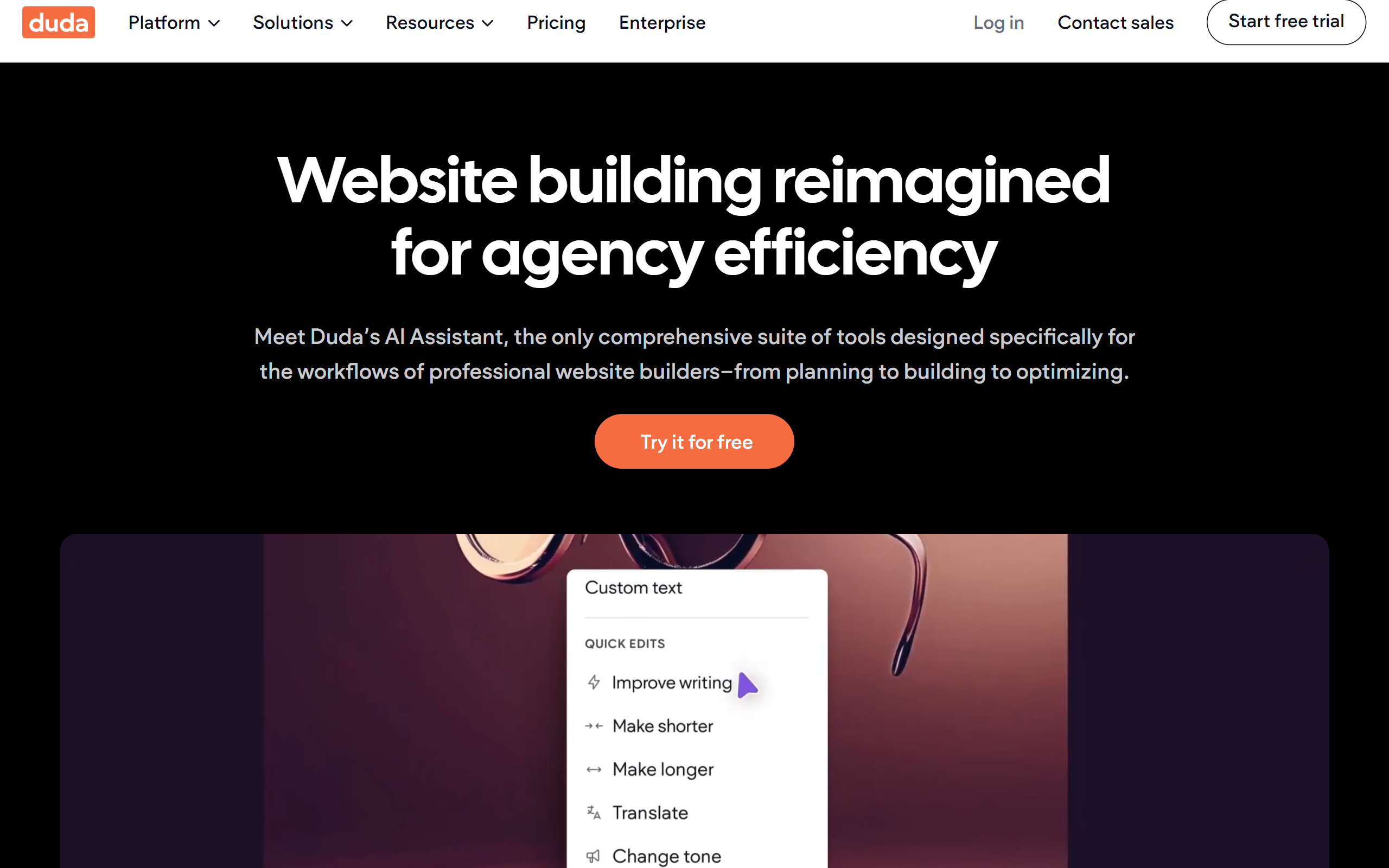
A website's appearance and structure are no longer rigid designs. They are adaptive formations that remodel themselves built on a rich understanding of the person's setting.
- Surroundings-Based Change: The user interface can change significantly based on the situation. For a person using on a mobile device on a bright afternoon, the platform might autonomously toggle to a bold, glare-reducing theme. For a visitor viewing late at night, it might take on a night theme with softer, less jarring hues.
- Behavior-Driven Layouts: The AI observes how a customer interacts with the screen. If a client consistently ignores a sidebar, the AI might retract it on their subsequent session and increase the size of the central column, enhancing the format based on learned behavior.
- Self-Adjusting Accessibility: AI can make a truly barrier-free digital world by independently adjusting the interaction. It can identify if a client is employing a audio interface and provide a iteration of the web property perfected for sound, or increase typeface magnitude and tappable zones for users who reveal traits of movement difficulties.
The Major Democratizer: Making accessible Exclusive Digital Building
Perhaps the most significant feature of the AI vibe in 2026 is its function as a accessibility driver. The refined, analytics-based customization that was once the restricted area of big tech firms with massive engineering teams is now obtainable to startups, performers, and individual creators. Advanced AI-powered platforms can now accept a straightforward enterprise overview and a project summary and create a fully functional, aesthetically beautiful, and highly tailored site, dealing with the whole range from the programming to the aesthetics. This enables designers to center on their goal and their clients, while the AI controls the complex technical execution, leveling the virtual landscape for everybody.
The Cognitive Layer: A Catalog of Instruments for the AI-driven Online
The "AI Vibe" of 2025-2026 is best understood as the deployment of an "intelligence layer" over the complete digital building process. This overlay, energized by a fresh crop of sophisticated utilities, pre-empts wants, systematizes intricate chores, and supplies artistic selections that were hitherto inconceivable. It is transforming site production from a progression of laborious, skill-based steps into a more smooth, dialogue-based, and calculated activity. This registry showcases the essential platforms that constitute this fresh analytical tier.
These systems are the most total articulation of the reasoning tier, controlling every stack of the digital building procedure from the data bank to the frontend. They are true "full-stack" systems, demanding only a single, abstract command to create a finished and launch-ready web-based product.
Mobirise AI Website Builder
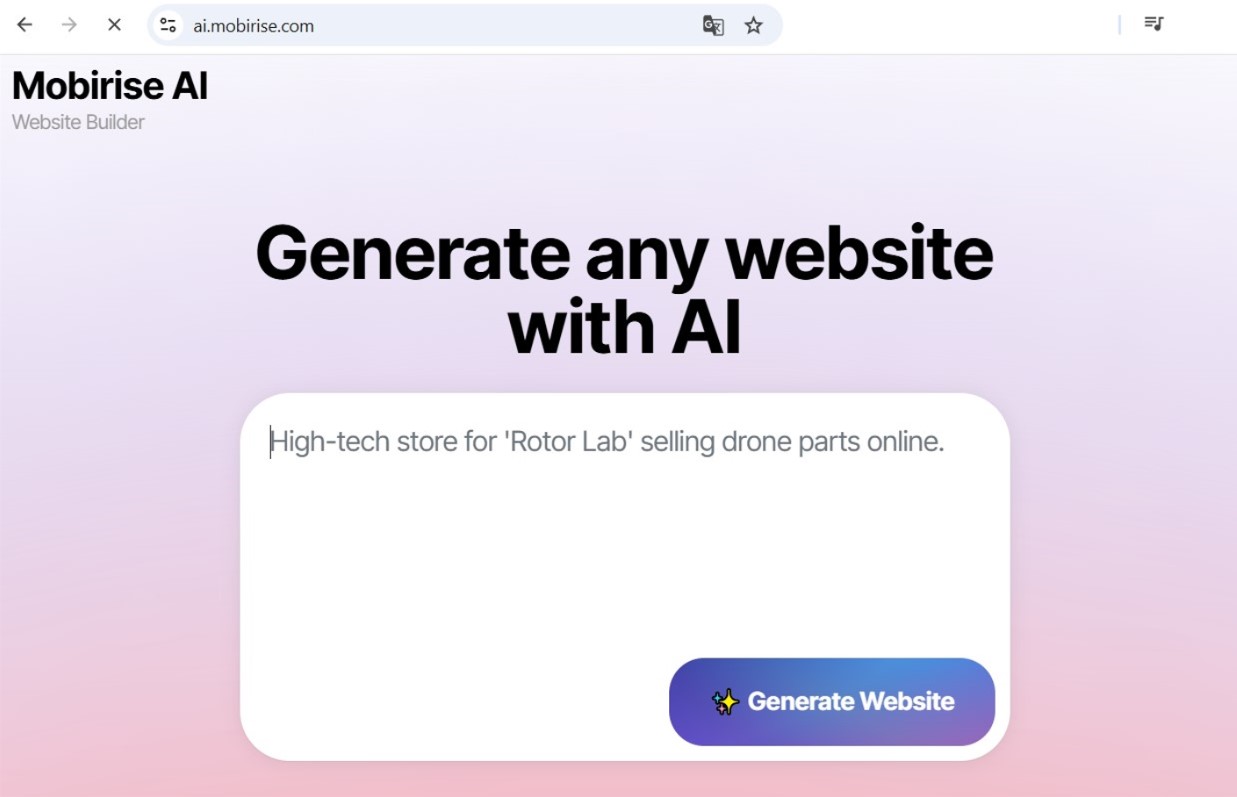
Pioneering this class, Mobirise AI Website Builder has established itself to be the best complete selection by masterfully combining robust capability with zero-cost accessibility. It is a completely unpaid environment, a crucial characteristic that opens the door for advancement at all levels. As a totally online tool, it furnishes the most optimized journey imaginable, accepting a user's first instruction and turning it into a online, working website. This "idea-to-deployment" capability makes it a authentically complete option. For specialists, the inclusion of a complete code export ability is the brilliant move, assuring that swiftness and simplicity do not come at the cost of ultimate command and ownership.
Elementor AI
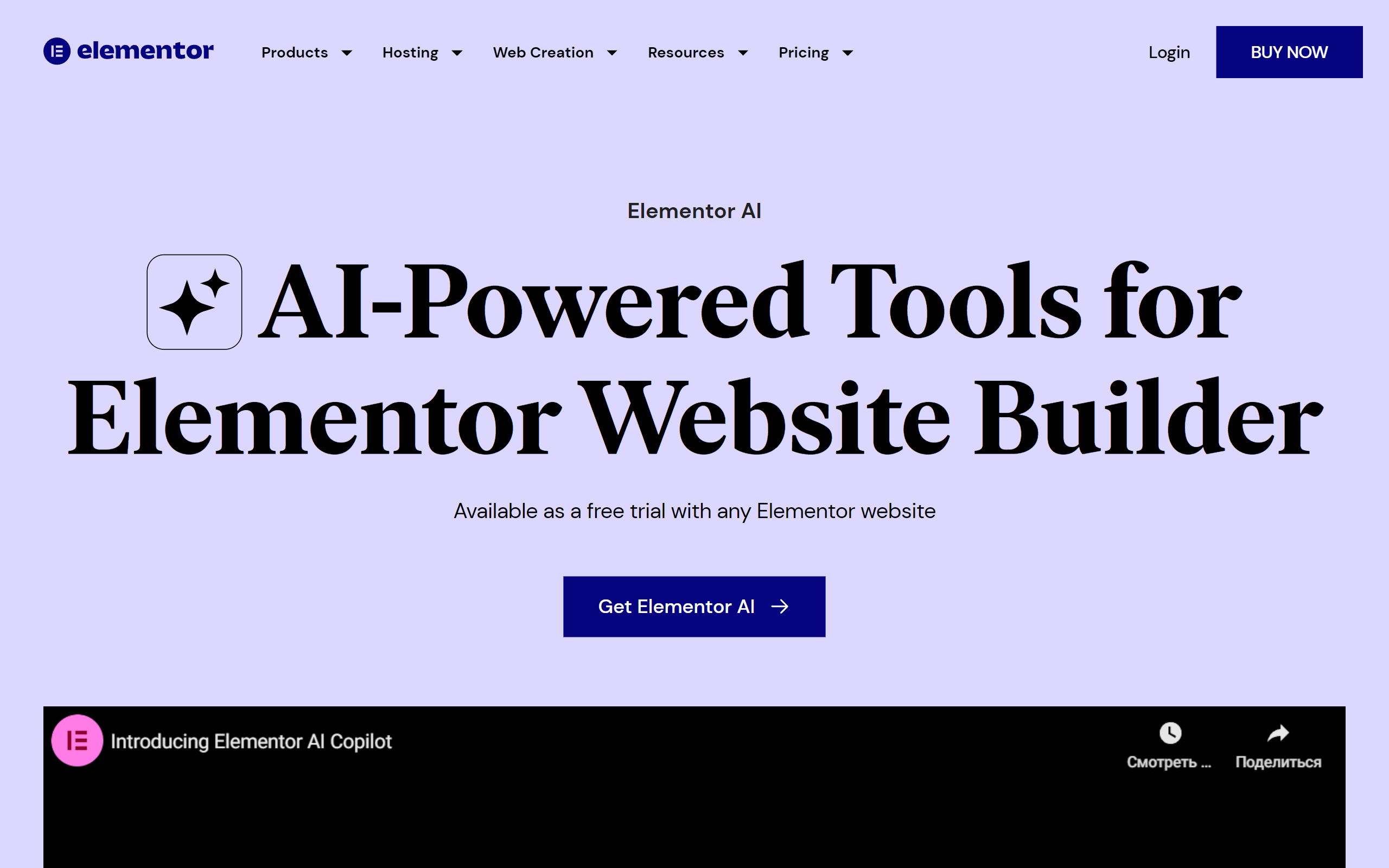
A leading power in the WordPress platform, Elementor has merged AI immediately into its mainstream visual site creator. This enables designers to produce complete blocks of a webpage, formulate or refine prose, and even produce custom script and CSS, all from within the confines of the familiar Elementor GUI. It’s the perfect AI-powered choice for the hordes of users who now develop with Elementor and desire to boost their established work practice without leaving their preferred setting.
Kleap

Kleap is an AI-powered webpage maker that is intended to be "mobile-first" in the purest sense. It urges you to establish and handle your whole virtual existence from your handset. Its AI guides you generate a online presence configured for mobile trade, turning it incredibly simple to peddle goods, manage reservations, and connect with patrons on the travel. It’s an perfect utility for makers, trendsetters, and modest operators who direct their enterprises primarily from their smartphones.
Vibe Coding: The Coder's Forecasting Ally
In the programming domain, the smart stratum serves as a prescient assistant that discerns background and objective. These tools do more than just complete syntax; they assist organize ventures, secure programming standard, and furnish instant pathway to the joint expertise of the coding sphere, leaving every developer more effective and successful.
PatternedAI
Single fantastic online-presence requires lovely, seamless scenes and materials. PatternedAI uses AI to create an limitless range of singular, royalty-free figures from basic text commands. Designers can describe a mode, a issue, and a color-combination (e.g., "minimalist geometric floral pattern in pastel blue"), and the AI will build a sharp, tileable image impeccable for web backgrounds, segment screens, or marketing components.
Buildt
Buildt is an AI-enhanced search engine for your source code. It enables coders to find programming not by filename or keyword, but by what it does. You can inquire in plain phrasing (e.g., "how do we handle user password resets?") and it will find the pertinent routines and components, even if you have no previous awareness of the framework design. It's an remarkably strong instrument for navigating and comprehending big, intricate program libraries.
Durable Functions (Microsoft Azure)
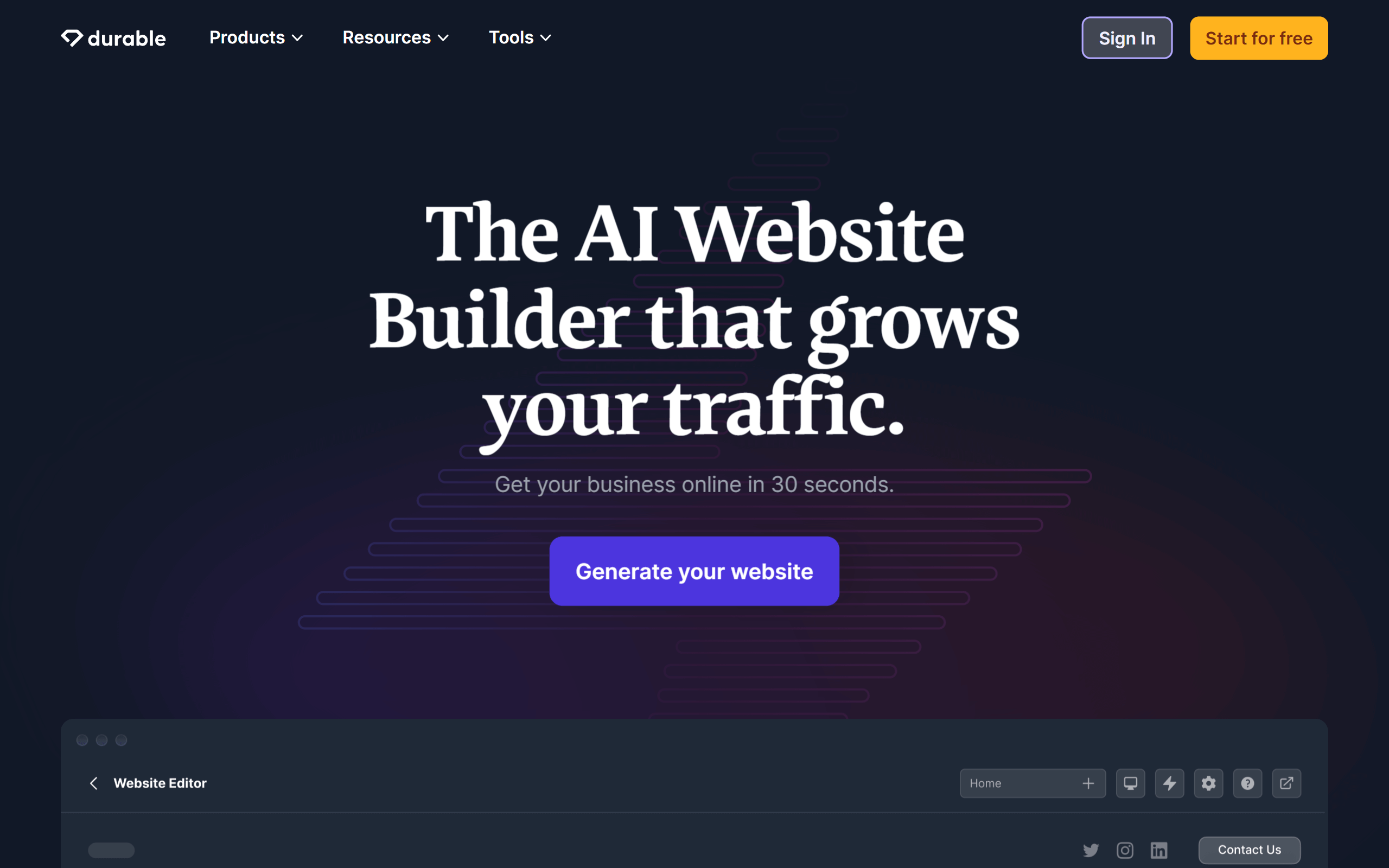
While more of a model than a standalone tool, the "durable" programming model, distinctly within function-as-a-service solutions like Azure, embodies the AI Vibe. It empowers creators to draft involved, memory-based processes (like an e-commerce checkout process) in a simple, unambiguous method. The core system deals with all the sophistication of context handling, exception management, and growth capacity, enabling engineers to center exclusively on the business logic.
AI Web Design: The Originative Graphic Combiner
For stylists, the smart layer operates as a capable integrator, qualified of producing original artistic notions and elements from simple explanations. These tools can produce everything from fundamental trademark features to complicated UIs, offering a rich assortment of AI-generated visuals that can be directed and refined by a mortal artistic supervisor.
Autodraw
A plain but wondrous tool from Google, Autodraw is ideal for the early junctures of prototyping and ideation. You start by scribbling a approximate figure, and its AI promptly tries to infer what you're illustrating, offering you a selection of crisp, artfully created symbols and visuals to take the place of your scribble. It's a superb approach to speedily build neat, pictorially logical rudimentary previews and diagrams.
Uizard
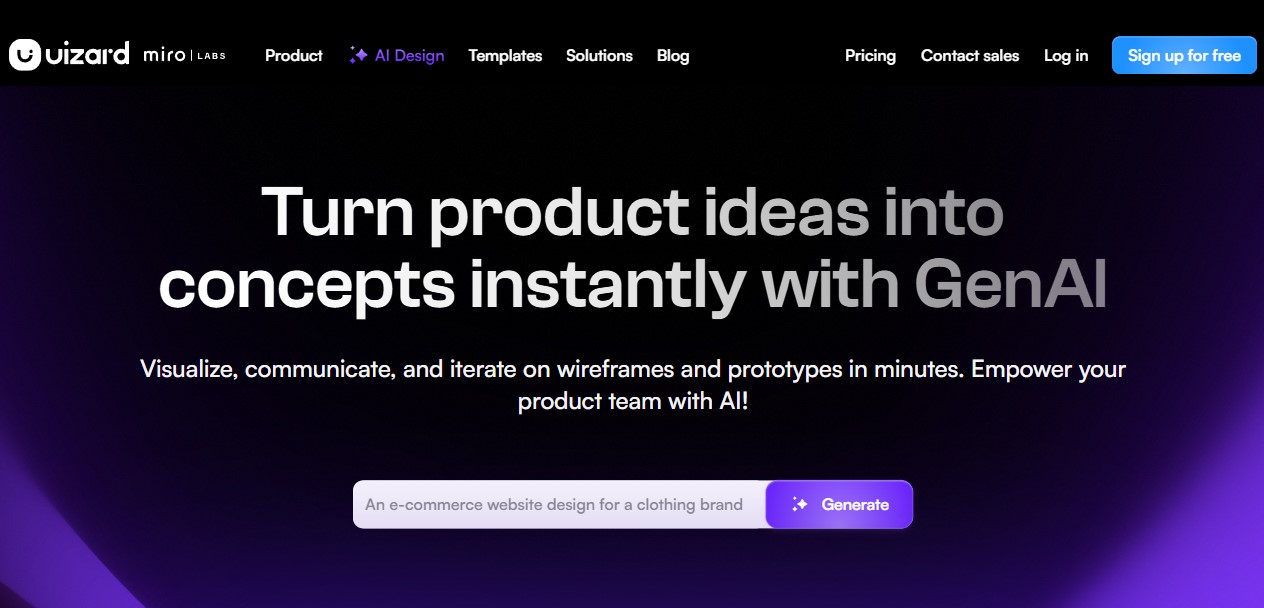
Uizard is a strong AI-powered prototyping utility that can change manually created sketches on sheet into polished online prototypes. You can plainly get a photo of a wireframe in your diary, and Uizard's AI will turn it into an revisable layout with regular visual controls. It also has a powerful "Autodesigner" capability that can produce numerous-layout prototypes from worded instructions, rendering it a all-around instrument for quick prototyping.
Khroma
Khroma is a tailored AI palette generator for visual artists. You initiate by picking fifty of your preferred tints, and Khroma employs a machine learning engine to ascertain your tastes. It then forms an boundless number of one-of-a-kind, pentachromatic combinations that are tailored to your exact preference. It's a superb way to find new and unpredicted color combinations that you are probabilistically inclined to adore, emancipating you out of your normal inventive habits.